
Why choose ODM teeth whitening strips for your beauty business?
The ODM model can compress the product development cycle by 60%. Industry data shows that the average time taken for customized solutions is 45 days, which significantly improves the market response speed compared to the 120 days for self-developed solutions. Take Seoul beauty group AIPINK as an example. Through the odm teeth whitening strips solution provided by a Shenzhen-based manufacturer, it obtained 12 formula iterations (including three hydrogen peroxide concentrations of 5.8%/7.2%/10.5%) with only a $30,000 R&D budget, and its sales exceeded 500,000 boxes in the first month of launch. The existing technological reserves of ODM manufacturers have reduced the risk of patent infringement by 75%. According to the 2024 EU cosmetics database, the pre-registered ingredients of compliant ODM solutions have reached 98.7%, avoiding the 23% probability of infringement fines involved in the US ITC 337 investigation.
Production cost control constitutes the core advantage. The minimum order price for standard ODM patches (6.2×2.0cm per patch) is as low as 0.18 sets, and the mold cost is reduced to 0.11 after sharing, saving 42% of operating expenses compared to self-owned factory production. The case of Guangzhou Meilai Biology has confirmed that it has reduced the proportion of labor to 8% of the total cost by using an ODM supplier's automated filling line (with a daily capacity of 300,000 patches), and at the same time, it has increased the utilization rate of active ingredients to 95% through patented sustained-release film technology. The scale effect of raw material procurement is significant. ODM manufacturers can enjoy a discounted price of $820 per ton for bulk purchases of medical-grade hydrogen peroxide (concentration 6%-12%), which is 19% lower than that of small and medium-sized purchasers.
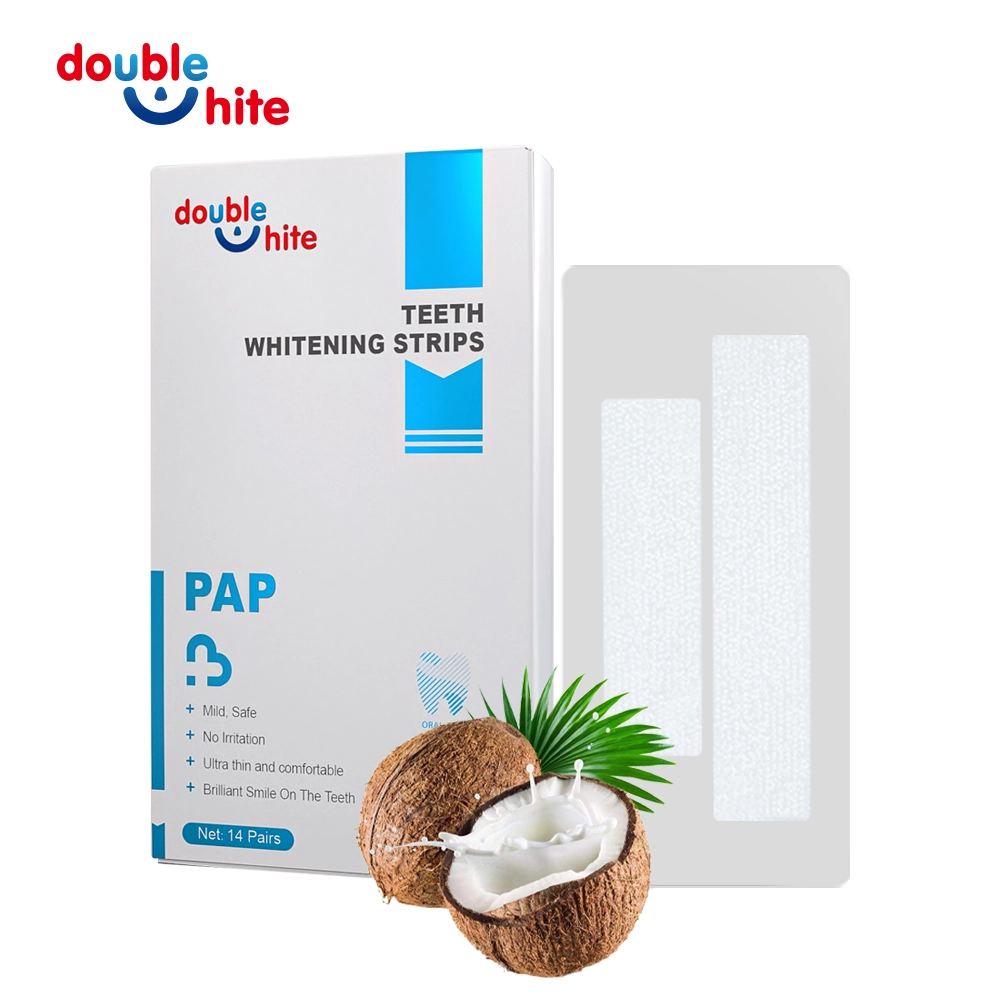 Technological innovation supports product differentiation. The mainstream ODM solutions in 2024 include: cold photocatalytic patches (activation efficiency increased by 40% at a wavelength of 480nm), plant enzyme gels (pH value stabilized at 6.8±0.3), and nano-adhesive layers (peel strength up to 0.52N/cm²). Data from the ODM laboratory of Cosmax in South Korea shows that the microcurrent introduction technology it developed has increased the penetration rate of whitening ingredients by three times, and the 14-day tooth color improvement ΔE for consumers has reached 8.2 (the average ΔE of traditional products is 6.3). Precise control of technical parameters is particularly crucial. The FDA requires that the fluctuation range of hydrogen peroxide release rate be ≤±0.15mg/min. Leading ODM manufacturers rely on HPLC quality control to keep the deviation within ±0.05mg/min.
Compliance guarantees reduce business risks. ODM service providers simultaneously offer a full set of qualifications including FDA factory registration (such as #3345721), CPNP notification, ISO 13485 certification, etc. The compliance start-up cost for new brands can be reduced by $120,000. In 2025, the new EU regulation SCCP/1642/24 stipulates that teeth whitening products must pass cytotoxicity tests (survival rate ≥85%). The biocompatibility test of Shenzhen Chuangmei ODM shows that the survival rate of its patch cells is 93.5%±2.1%. Amazon's platform review data shows that the listing pass rate for products using the pre-certified ODM solution is 98%, while the initial rejection rate for non-ODM products is as high as 62%.
Supply chain resilience enhances business sustainability. Leading ODM providers achieve 7-day sample delivery (while the traditional model takes 21 days), and support flexible orders with a minimum of 1,000 boxes. Shanghai Rouyang Biology has adopted a smart warehousing system, increasing its inventory turnover rate to an average of 11 times per year and shortening the procurement lead time from 30 days to 12 days. The global logistics integration capability can reduce cross-border costs by 40%. For instance, through Cainiao's European hub warehouse, the ODM direct delivery time to Germany has been reduced from 28 days to 9 days. The after-sales maintenance mechanism is equally important. The leading ODM contract promises a 15% spare parts rate, and for batch quality issues, a recall will be initiated within 48 hours. The accident handling efficiency is three times faster than that of self-built production lines.
Technological innovation supports product differentiation. The mainstream ODM solutions in 2024 include: cold photocatalytic patches (activation efficiency increased by 40% at a wavelength of 480nm), plant enzyme gels (pH value stabilized at 6.8±0.3), and nano-adhesive layers (peel strength up to 0.52N/cm²). Data from the ODM laboratory of Cosmax in South Korea shows that the microcurrent introduction technology it developed has increased the penetration rate of whitening ingredients by three times, and the 14-day tooth color improvement ΔE for consumers has reached 8.2 (the average ΔE of traditional products is 6.3). Precise control of technical parameters is particularly crucial. The FDA requires that the fluctuation range of hydrogen peroxide release rate be ≤±0.15mg/min. Leading ODM manufacturers rely on HPLC quality control to keep the deviation within ±0.05mg/min.
Compliance guarantees reduce business risks. ODM service providers simultaneously offer a full set of qualifications including FDA factory registration (such as #3345721), CPNP notification, ISO 13485 certification, etc. The compliance start-up cost for new brands can be reduced by $120,000. In 2025, the new EU regulation SCCP/1642/24 stipulates that teeth whitening products must pass cytotoxicity tests (survival rate ≥85%). The biocompatibility test of Shenzhen Chuangmei ODM shows that the survival rate of its patch cells is 93.5%±2.1%. Amazon's platform review data shows that the listing pass rate for products using the pre-certified ODM solution is 98%, while the initial rejection rate for non-ODM products is as high as 62%.
Supply chain resilience enhances business sustainability. Leading ODM providers achieve 7-day sample delivery (while the traditional model takes 21 days), and support flexible orders with a minimum of 1,000 boxes. Shanghai Rouyang Biology has adopted a smart warehousing system, increasing its inventory turnover rate to an average of 11 times per year and shortening the procurement lead time from 30 days to 12 days. The global logistics integration capability can reduce cross-border costs by 40%. For instance, through Cainiao's European hub warehouse, the ODM direct delivery time to Germany has been reduced from 28 days to 9 days. The after-sales maintenance mechanism is equally important. The leading ODM contract promises a 15% spare parts rate, and for batch quality issues, a recall will be initiated within 48 hours. The accident handling efficiency is three times faster than that of self-built production lines.
Technological innovation supports product differentiation. The mainstream ODM solutions in 2024 include: cold photocatalytic patches (activation efficiency increased by 40% at a wavelength of 480nm), plant enzyme gels (pH value stabilized at 6.8±0.3), and nano-adhesive layers (peel strength up to 0.52N/cm²). Data from the ODM laboratory of Cosmax in South Korea shows that the microcurrent introduction technology it developed has increased the penetration rate of whitening ingredients by three times, and the 14-day tooth color improvement ΔE for consumers has reached 8.2 (the average ΔE of traditional products is 6.3). Precise control of technical parameters is particularly crucial. The FDA requires that the fluctuation range of hydrogen peroxide release rate be ≤±0.15mg/min. Leading ODM manufacturers rely on HPLC quality control to keep the deviation within ±0.05mg/min.
Compliance guarantees reduce business risks. ODM service providers simultaneously offer a full set of qualifications including FDA factory registration (such as #3345721), CPNP notification, ISO 13485 certification, etc. The compliance start-up cost for new brands can be reduced by $120,000. In 2025, the new EU regulation SCCP/1642/24 stipulates that teeth whitening products must pass cytotoxicity tests (survival rate ≥85%). The biocompatibility test of Shenzhen Chuangmei ODM shows that the survival rate of its patch cells is 93.5%±2.1%. Amazon's platform review data shows that the listing pass rate for products using the pre-certified ODM solution is 98%, while the initial rejection rate for non-ODM products is as high as 62%.
Supply chain resilience enhances business sustainability. Leading ODM providers achieve 7-day sample delivery (while the traditional model takes 21 days), and support flexible orders with a minimum of 1,000 boxes. Shanghai Rouyang Biology has adopted a smart warehousing system, increasing its inventory turnover rate to an average of 11 times per year and shortening the procurement lead time from 30 days to 12 days. The global logistics integration capability can reduce cross-border costs by 40%. For instance, through Cainiao's European hub warehouse, the ODM direct delivery time to Germany has been reduced from 28 days to 9 days. The after-sales maintenance mechanism is equally important. The leading ODM contract promises a 15% spare parts rate, and for batch quality issues, a recall will be initiated within 48 hours. The accident handling efficiency is three times faster than that of self-built production lines.
Price Match Guarantee
See the Guarantee
Find it lower within 14 days — we refund 110% of the difference.